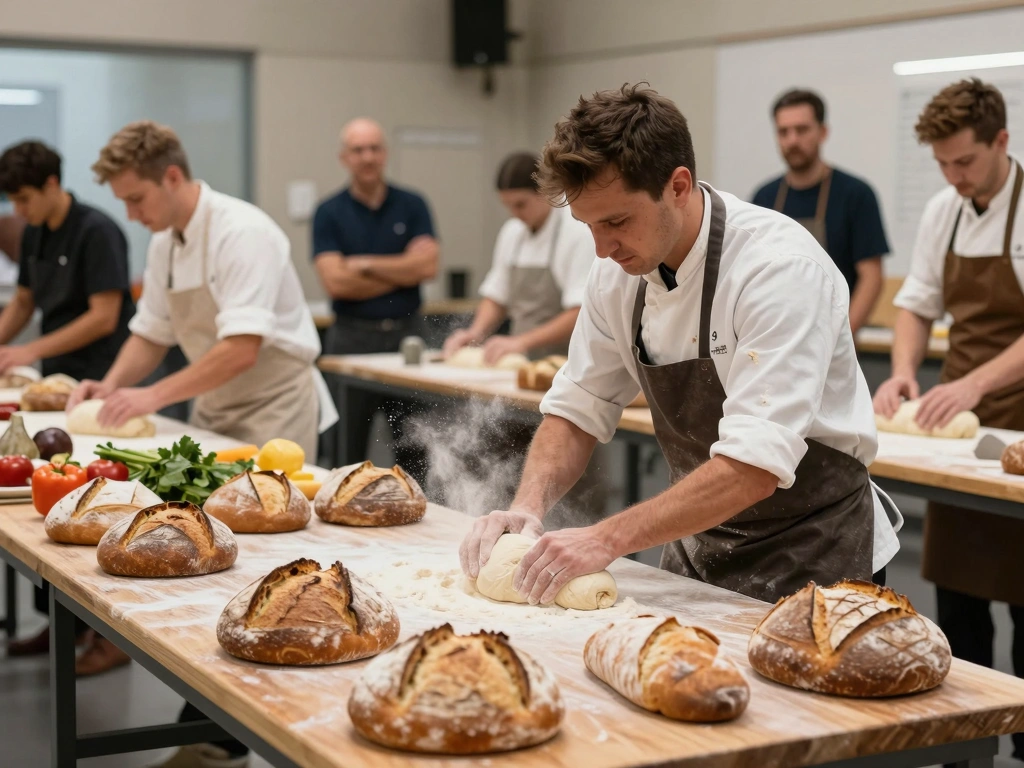
Understanding the Competitive Sourdough Baking Landscape
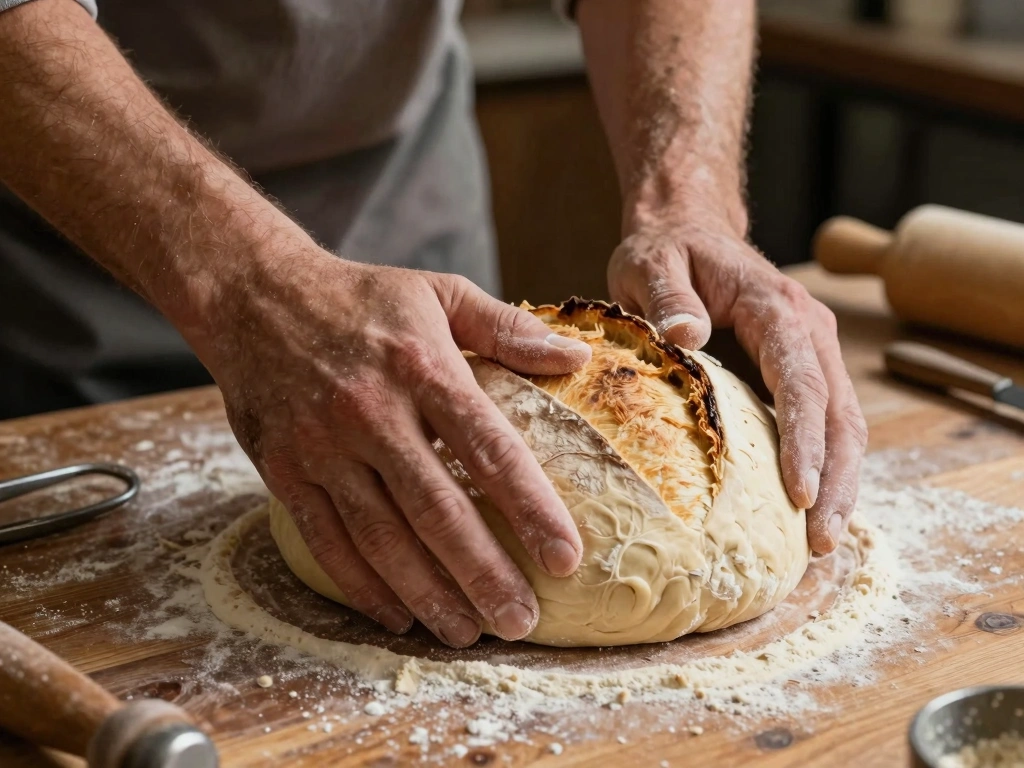
History and Evolution of Sourdough Competitions
Sourdough baking has ancient roots, with its origins tracing back to the earliest civilizations. However, the modern competitive sourdough baking scene began to take shape in the late 20th century. Initially, informal bake-offs and community contests allowed home bakers to showcase their skills. As interest in artisanal baking surged, particularly in the 2010s, formal competitions emerged, drawing in passionate bakers eager to exhibit their mastery of sourdough.
One pivotal moment in this evolution was the establishment of the World Bread Awards in 2014, which included categories for sourdough breads. These awards set a precedent for structured evaluation and recognition of bakers worldwide, inspiring local competitions to adopt similar formats. Over time, competitions have diversified, including events like the American Sourdough Championship and the San Francisco Sourdough Festival, which celebrate the craft and skill of sourdough baking.
Key Organizations and Their Role in Tournaments
Several organizations play a crucial role in the competitive sourdough baking landscape. The Bread Bakers Guild of America is one such entity, providing resources, training, and support to bakers. They organize competitions that encourage skill development and innovation in bread-making techniques.
Additionally, local baking associations often host their tournaments, fostering community engagement and providing a platform for amateur bakers to compete. These organizations help standardize judging criteria and offer workshops to elevate the skill set of participants, enhancing the overall quality of the competitions.
Types of Competitions: Local vs. National Tournaments
Competitions can be broadly categorized into local and national events. Local tournaments tend to be smaller in scale, often held at community fairs or local baking schools. These events typically attract a mix of amateur and semi-professional bakers, allowing participants to gain confidence and experience in a supportive environment.
In contrast, national tournaments, such as the National Sourdough Championship, draw competitors from across the country and feature a more rigorous judging process. These events often have specific categories, such as best artisan sourdough or most innovative flavor, and typically award prizes that include cash and baking equipment. The competitive atmosphere is heightened, with participants striving to impress expert judges and fellow bakers alike.
Essential Skills for Sourdough Competitors
Mastering Dough Techniques and Fermentation
To excel in sourdough competitions, bakers must master various dough techniques and fermentation processes. This includes understanding hydration levels, gluten development, and the role of temperature in fermentation. For instance, a typical sourdough recipe may call for a hydration level between 70% to 80%, which influences the bread's crumb structure and crust.
Bakers should also experiment with different fermentation methods, such as bulk fermentation and final proofing, to achieve the desired flavor and texture. Using a preferred starter, which is a mix of flour and water fermented over time, can significantly enhance the bread's complexity. Timing is crucial; a longer bulk fermentation can deepen flavor, while a shorter final proof can create a lighter loaf.
Flavor Profiles: Balancing Taste and Texture
Successful sourdough baking is not just about the technical aspects; it also involves creating a harmonious balance of flavors and textures. Competitors must understand the impact of different flours, such as whole wheat, rye, and spelt, on the bread's flavor profile. For instance, whole wheat flour adds a nutty taste, while rye flour can impart a slightly sour note.
In competitions, judges often look for specific flavor characteristics. A well-executed sourdough should have a mildly tangy taste, a chewy crust, and an open crumb structure. Competitors may experiment with adding ingredients like herbs, spices, or even dried fruits to create unique flavor combinations that stand out during judging.
Presentation: The Art of Plating and Scoring
In competitive sourdough baking, presentation can be just as important as taste and texture. Bakers must develop their scoring techniques to create visually appealing designs on their loaves. Scoring not only enhances the aesthetic appeal but also controls how the bread expands during baking, which can affect its final shape and texture.
Competitors should practice various scoring patterns, such as the classic crosshatch or more intricate designs like leaf patterns or spirals. Once baked, the presentation aspect continues with plating—selecting the right serving board or dish can elevate the overall appeal of the bread. Simple garnishes, such as fresh herbs or a drizzle of olive oil, can enhance the presentation without overshadowing the bread itself.
Preparing for a Sourdough Baking Tournament
Choosing the Right Ingredients and Tools
Preparation is key to success in any baking competition. Competitors must select high-quality ingredients, including organic flour, filtered water, and a robust sourdough starter. Flour brands like King Arthur Baking Company or Bob's Red Mill are often favored for their consistent quality.
In addition to ingredients, the right tools are essential. A reliable kitchen scale, a bench scraper, and a proofing basket (also known as a banneton) are must-haves. Investing in a Dutch oven or a baking stone can also enhance the baking process, providing the necessary steam and heat retention for achieving that perfect crust.
Developing a Training Regimen
Competitors should establish a structured training regimen to prepare effectively for competitions. This can include a mix of regular practice bakes, studying competition rules and judging criteria, and seeking feedback from experienced bakers.
Setting specific goals for each baking session, such as perfecting a hydration level or experimenting with fermentation times, can help track progress. Competitors may also consider joining a local baking group to share insights and techniques, providing an additional layer of accountability and support.
Mock Competitions: Practicing Under Pressure
Simulating the competition environment through mock competitions can be an invaluable part of preparation. This practice allows bakers to experience the time constraints and pressure they will face during actual tournaments. Competitors can invite friends or fellow bakers to judge their loaves, providing realistic feedback on taste, texture, and presentation.
Setting a timer and adhering to competition rules during these mock events can help build confidence and refine techniques. It’s also an excellent opportunity to troubleshoot any issues that may arise, ensuring that competitors are well-prepared for the real event.
Navigating Tournament Logistics and Rules
Understanding Competition Formats and Judging Criteria
Each baking competition may have different formats and judging criteria. Understanding these nuances is critical for success. Competitors should familiarize themselves with the rules, including ingredient restrictions, time limits, and presentation requirements.
Judging criteria often encompass taste, texture, appearance, and creativity. For instance, in the Great American Baking Show, judges look at how well bakers adhere to the theme of the challenge, while also considering the technical execution and flavor. It’s essential to align one’s baking approach with the judges' expectations to maximize scoring potential.
Registration and Entry Fees: What to Expect
Before entering a competition, bakers should be aware of the registration process and associated fees. Typically, entry fees range from $10 to $50, depending on the competition’s prestige and scale. Additionally, competitors may need to provide samples of their bread for preliminary rounds, which can incur additional costs.
It’s advisable to register early, as many competitions have limited slots. Keeping an eye on deadlines and required paperwork can ensure a smooth entry process.
Traveling with Your Baking Gear: Tips and Tricks
For competitors traveling to tournaments, packing and transporting baking gear requires careful planning. Using sturdy, well-padded containers for fragile items like proofing baskets and scoring tools is essential. Additionally, if traveling by air, it can be beneficial to carry essential ingredients in your checked luggage to avoid issues with liquid restrictions.
Creating a packing checklist can help ensure that nothing is forgotten. This list should include ingredients, tools, and any specific items required by the competition rules, such as serving platters or decorative elements.
Building a Community and Networking in Sourdough Circuits
Finding Local Sourdough Clubs and Associations
Networking within the sourdough baking community can provide invaluable support and resources for competitors. Local sourdough clubs and baking associations often host events, workshops, and competitions that help bakers improve their skills and connect with like-minded individuals.
Joining these groups can also open doors to mentorship opportunities with experienced bakers who can offer tips and insights on navigating the competition circuit. Many regions have dedicated clubs, often listed on community boards or baking supply stores.
Online Forums and Resources for Competitors
In addition to local clubs, online forums and resources can significantly benefit sourdough competitors. Websites like Reddit's r/Sourdough and various baking blogs provide platforms for sharing experiences, troubleshooting techniques, and discussing competition strategies.
Participating in these online communities can also facilitate connections with other bakers across the globe, allowing competitors to exchange ideas and recipes, further enhancing their baking repertoire.
Leveraging Social Media for Exposure and Support
Social media platforms are powerful tools for sourdough bakers looking to build their brand and connect with a wider audience. By sharing photos and videos of their baking process, competitors can attract followers and create a supportive community around their passion.
Utilizing hashtags like #SourdoughCompetition or #ArtisanBaker can help bakers gain visibility and engage with other enthusiasts. Additionally, documenting the journey leading up to a competition can inspire others and foster a sense of camaraderie among competitors.